
The Thrill of Anticipation
The allure of high-stakes casino games often stems from the intense thrill of anticipation. Players experience a rush of adrenaline as they wait for the outcome of their bets, heightening their sense of excitement. This anticipation is rooted in psychological responses that influence their decision-making processes and perceptions of risk. The potential for large rewards amplifies this sensation, making the experience more intense and captivating. Additionally, players often search for the best platforms to enhance their gaming experience, leading them to new sweepstakes casinos usa that provide exciting opportunities.
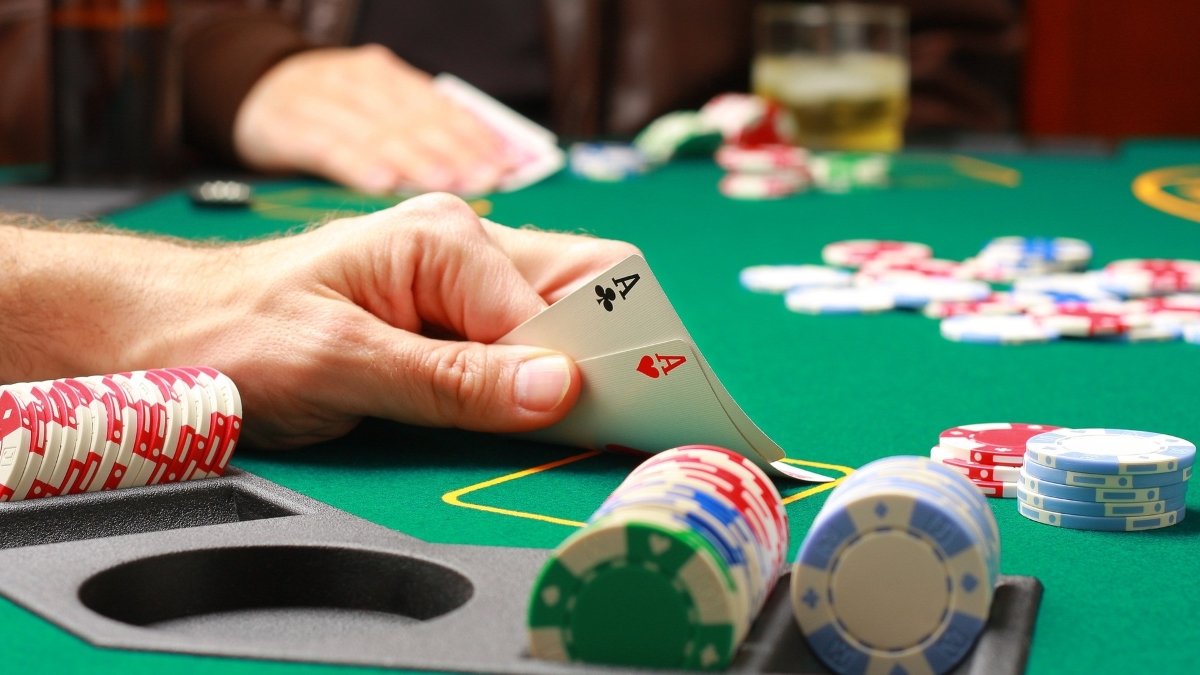
Furthermore, the anticipation associated with gambling can create a unique psychological state known as “flow.” Players become fully immersed in the game, where time seems to stand still and they focus entirely on the unfolding events. This state can lead to increased enjoyment and a drive to continue playing, despite the inherent risks involved.
The Role of Loss Aversion
Loss aversion, a fundamental concept in behavioral economics, plays a significant role in high-stakes gambling. Individuals tend to prefer avoiding losses over acquiring equivalent gains, leading to irrational decision-making. Players may chase losses, believing that a big win is just around the corner, which can lead to increased bets and deeper financial consequences.
This psychological tendency can create a cycle of risk-taking behavior, where players are drawn to make higher bets in hopes of recovering previous losses. The emotional response to losing can sometimes overshadow rational thought, compelling players to continue engaging with the game regardless of the risks involved.
The Impact of Social Dynamics
The social environment of a casino significantly influences the psychology of high-stakes gaming. The atmosphere is designed to enhance excitement, with bright lights, sounds, and the presence of other players all contributing to the experience. This communal aspect can foster a sense of connection and competition, increasing the emotional investment in the game.
Additionally, social dynamics can lead to herd behavior, where individuals feel compelled to follow the actions of others. This peer influence can encourage more reckless betting and heighten the challenges of self-control, often leading players to make decisions they might not consider in a solitary context.
The Gambler’s Fallacy
The gambler’s fallacy, the belief that past events influence future outcomes in random games, is another psychological aspect that impacts high-stakes gambling. Players often think that a particular outcome is “due” to happen, based on previous spins or hands, which can lead to misguided betting strategies.
This fallacy captures the minds of many gamblers, causing them to make decisions based on a flawed understanding of probability. The misinterpretation of random events can exacerbate the risks associated with high-stakes casino games, driving players into cycles of increased wager amounts and further losses.
Understanding Player Behavior on Xupermask
At Xupermask, we recognize the intricate psychology behind high-stakes casino games and how it can influence player behavior. With an emphasis on user experience, we aim to provide engaging content and resources that allow players to understand their own motivations and the impact of their decisions.
By exploring the psychological elements of gambling, we empower our users to make informed choices. Our platform is dedicated to enhancing the overall experience while prioritizing safety and satisfaction, ensuring that players can engage in high-stakes gaming responsibly and enjoyably.
